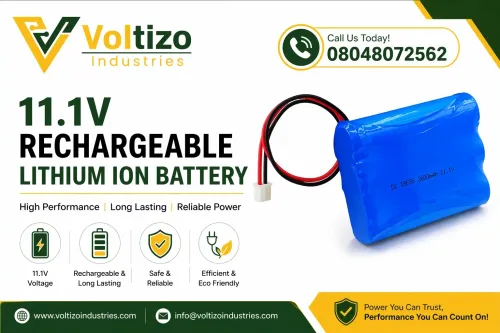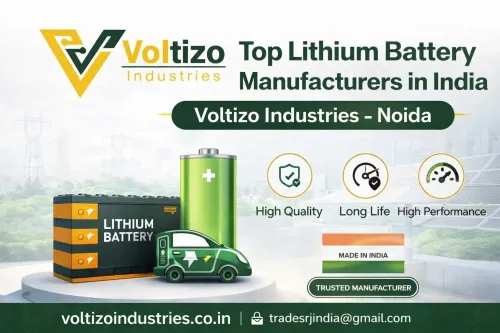
Lithium-ion batteries are among the most widely used rechargeable batteries in the world today. They power everything from smartphones and laptops to electric vehicles, solar energy storage systems, industrial equipment, and backup power solutions. Their ability to store large amounts of energy while maintaining a compact size makes them a critical technology in modern energy management.
As industries and consumers increasingly shift toward clean energy and efficient power solutions, lithium-ion batteries continue to play a vital role in supporting sustainable and reliable energy storage.
What Is a Lithium Ion Battery?
A lithium-ion battery is a rechargeable battery that stores and releases electrical energy through the movement of lithium ions between two electrodes. Unlike traditional lead-acid batteries, lithium-ion batteries offer higher energy density, faster charging capabilities, lower maintenance requirements, and longer service life.
These batteries are designed to provide consistent power output and are commonly used in residential, commercial, industrial, and automotive applications.
Main Components of a Lithium Ion Battery
Understanding the key components helps explain how a lithium-ion battery functions efficiently.
Cathode
The cathode is the positive electrode of the battery. It stores lithium ions and determines many of the battery's performance characteristics, including capacity and voltage.
Anode
The anode serves as the negative electrode. During charging and discharging, lithium ions move between the anode and cathode.
Electrolyte
The electrolyte acts as a medium that allows lithium ions to travel between the two electrodes. It plays a crucial role in the battery's charging and discharging process.
Separator
The separator is a thin membrane placed between the cathode and anode to prevent direct contact while allowing ion movement.
Battery Management System (BMS)
Modern lithium battery packs include a Battery Management System that monitors voltage, temperature, charging cycles, and overall battery health to ensure safe and efficient operation.
How Does a Lithium Ion Battery Work?
The operation of a lithium-ion battery is based on the movement of lithium ions between the cathode and anode.
During Charging
When the battery is connected to a charger, electrical energy forces lithium ions to move from the cathode to the anode through the electrolyte. The battery stores this energy for future use.
During Discharging
When the battery powers a device or system, lithium ions move back from the anode to the cathode. This movement generates electrical energy that powers the connected equipment.
This process can be repeated hundreds or even thousands of times depending on the battery design and usage conditions.
Advantages of Lithium Ion Batteries
High Energy Density
Lithium-ion batteries can store more energy in a smaller and lighter package compared to conventional battery technologies.
Longer Service Life
These batteries generally offer significantly more charge-discharge cycles, making them a cost-effective long-term investment.
Fast Charging Capability
Lithium-ion batteries can be charged more quickly than many traditional battery types, reducing downtime and improving convenience.
Low Maintenance
Unlike lead-acid batteries, lithium-ion batteries require minimal maintenance and do not need regular water refilling or equalization charging.
Lightweight Design
Their compact and lightweight structure makes them suitable for portable devices, electric vehicles, and mobile applications.
Higher Efficiency
Lithium batteries provide excellent charging and discharging efficiency, helping maximize energy utilization.
Applications of Lithium Ion Batteries
Lithium-ion batteries are used across numerous industries and applications.
Solar Energy Storage
Solar power systems rely on lithium batteries to store excess energy generated during the day for use at night or during power outages.
Electric Vehicles
Electric cars, scooters, bikes, and commercial EVs use lithium-ion batteries because of their high energy density and extended driving range.
Home and Commercial Power Backup
Businesses and homeowners use lithium battery systems for uninterrupted power supply and backup energy storage.
Industrial Equipment
Manufacturing facilities, telecom systems, medical equipment, and industrial automation applications benefit from reliable lithium battery power.
Consumer Electronics
Smartphones, laptops, tablets, power tools, and wearable devices commonly use lithium-ion battery technology.
Lithium Ion Battery vs Lead Acid Battery
Many businesses and consumers compare lithium-ion batteries with traditional lead-acid batteries before making a purchase decision.
Lithium-ion batteries offer faster charging, longer lifespan, higher energy efficiency, lower maintenance requirements, and lighter weight. While the initial investment may be higher, the long-term operational savings often make lithium batteries a more economical choice.
Importance of Battery Management Systems (BMS)
A Battery Management System is one of the most important components of a lithium battery pack. It helps protect the battery from overcharging, over-discharging, short circuits, overheating, and voltage imbalances.
A high-quality BMS improves battery performance, safety, reliability, and overall lifespan, making it essential for modern lithium energy storage systems.
Why Industries Are Adopting Lithium Battery Technology
Industries worldwide are rapidly transitioning to lithium battery solutions because of their superior performance, reduced operating costs, and environmental benefits. As renewable energy adoption increases and electric mobility continues to expand, lithium-ion batteries are becoming the preferred energy storage technology for future-ready businesses.
Explore More Energy Solutions
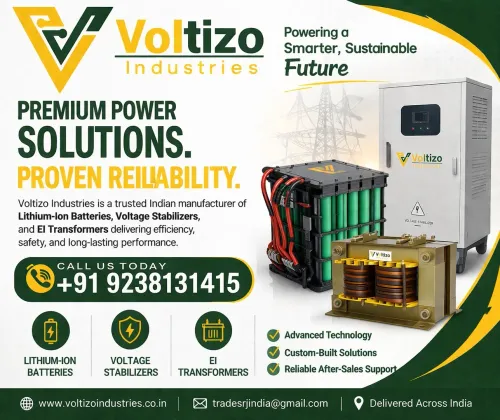
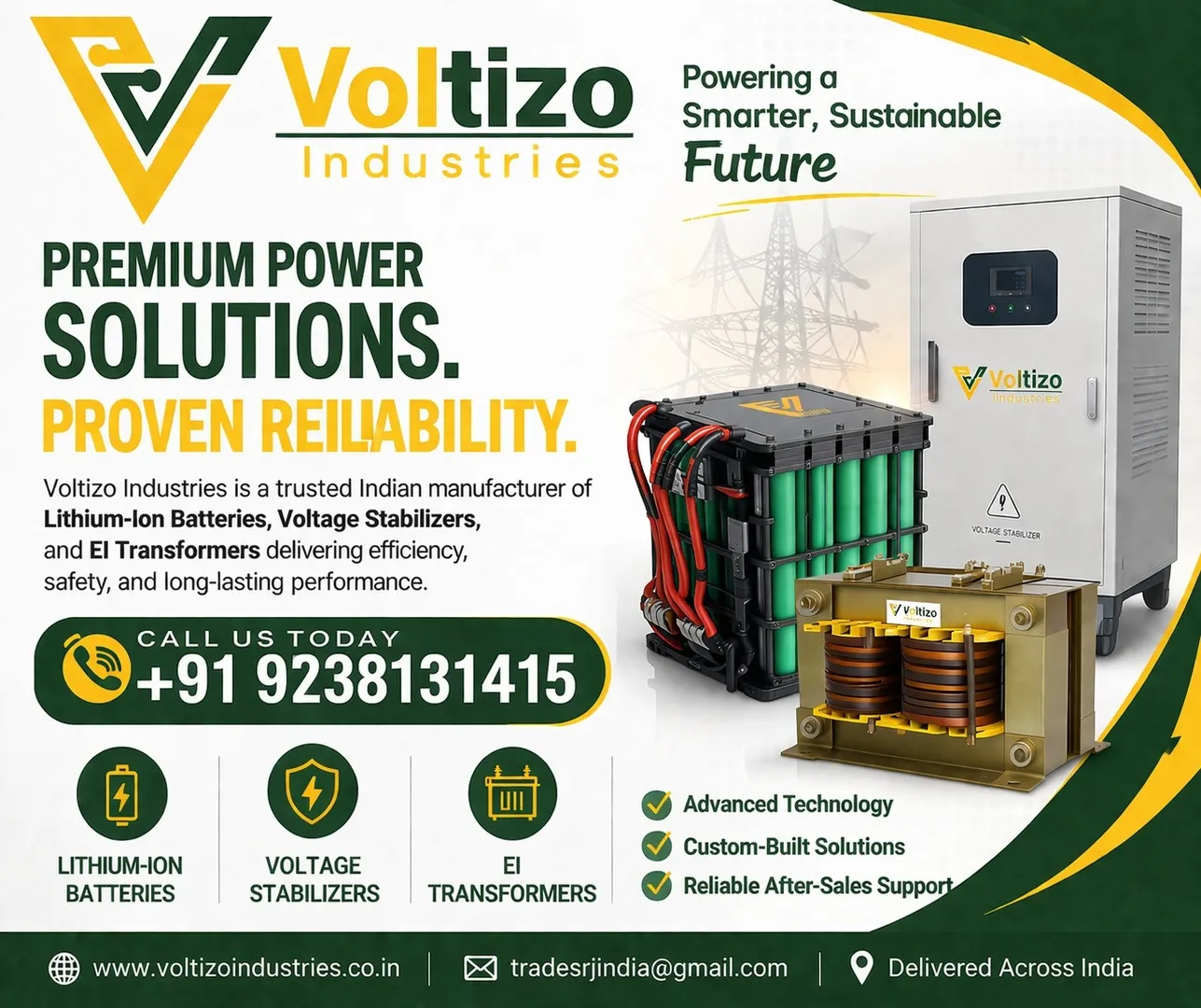
Voltizo Industries offers advanced energy storage and power management solutions for residential, commercial, and industrial applications.
Internal Links:
Home: https://www.voltizoindustries.co.in/
Lithium Battery Solutions: https://www.voltizoindustries.co.in/
Battery Pack Manufacturer: https://www.voltizoindustries.co.in/
Transformer Solutions: https://www.voltizoindustries.co.in/
Solar Energy Storage Systems: https://www.voltizoindustries.co.in/
Build Trust with Reliable Battery Technology
Choosing a high-quality lithium-ion battery from a trusted manufacturer ensures better performance, enhanced safety, longer lifespan, and improved return on investment. Whether used for solar energy storage, electric vehicles, industrial systems, or backup power applications, lithium-ion batteries continue to drive innovation across multiple sectors.
As industries and consumers increasingly shift toward clean energy and efficient power solutions, lithium-ion batteries continue to play a vital role in supporting sustainable and reliable energy storage.
What Is a Lithium Ion Battery?
A lithium-ion battery is a rechargeable battery that stores and releases electrical energy through the movement of lithium ions between two electrodes. Unlike traditional lead-acid batteries, lithium-ion batteries offer higher energy density, faster charging capabilities, lower maintenance requirements, and longer service life.
These batteries are designed to provide consistent power output and are commonly used in residential, commercial, industrial, and automotive applications.
Main Components of a Lithium Ion Battery
Understanding the key components helps explain how a lithium-ion battery functions efficiently.
Cathode
The cathode is the positive electrode of the battery. It stores lithium ions and determines many of the battery's performance characteristics, including capacity and voltage.
Anode
The anode serves as the negative electrode. During charging and discharging, lithium ions move between the anode and cathode.
Electrolyte
The electrolyte acts as a medium that allows lithium ions to travel between the two electrodes. It plays a crucial role in the battery's charging and discharging process.
Separator
The separator is a thin membrane placed between the cathode and anode to prevent direct contact while allowing ion movement.
Battery Management System (BMS)
Modern lithium battery packs include a Battery Management System that monitors voltage, temperature, charging cycles, and overall battery health to ensure safe and efficient operation.
How Does a Lithium Ion Battery Work?
The operation of a lithium-ion battery is based on the movement of lithium ions between the cathode and anode.
During Charging
When the battery is connected to a charger, electrical energy forces lithium ions to move from the cathode to the anode through the electrolyte. The battery stores this energy for future use.
During Discharging
When the battery powers a device or system, lithium ions move back from the anode to the cathode. This movement generates electrical energy that powers the connected equipment.
This process can be repeated hundreds or even thousands of times depending on the battery design and usage conditions.
Advantages of Lithium Ion Batteries
High Energy Density
Lithium-ion batteries can store more energy in a smaller and lighter package compared to conventional battery technologies.
Longer Service Life
These batteries generally offer significantly more charge-discharge cycles, making them a cost-effective long-term investment.
Fast Charging Capability
Lithium-ion batteries can be charged more quickly than many traditional battery types, reducing downtime and improving convenience.
Low Maintenance
Unlike lead-acid batteries, lithium-ion batteries require minimal maintenance and do not need regular water refilling or equalization charging.
Lightweight Design
Their compact and lightweight structure makes them suitable for portable devices, electric vehicles, and mobile applications.
Higher Efficiency
Lithium batteries provide excellent charging and discharging efficiency, helping maximize energy utilization.
Applications of Lithium Ion Batteries
Lithium-ion batteries are used across numerous industries and applications.
Solar Energy Storage
Solar power systems rely on lithium batteries to store excess energy generated during the day for use at night or during power outages.
Electric Vehicles
Electric cars, scooters, bikes, and commercial EVs use lithium-ion batteries because of their high energy density and extended driving range.
Home and Commercial Power Backup
Businesses and homeowners use lithium battery systems for uninterrupted power supply and backup energy storage.
Industrial Equipment
Manufacturing facilities, telecom systems, medical equipment, and industrial automation applications benefit from reliable lithium battery power.
Consumer Electronics
Smartphones, laptops, tablets, power tools, and wearable devices commonly use lithium-ion battery technology.
Lithium Ion Battery vs Lead Acid Battery
Many businesses and consumers compare lithium-ion batteries with traditional lead-acid batteries before making a purchase decision.
Lithium-ion batteries offer faster charging, longer lifespan, higher energy efficiency, lower maintenance requirements, and lighter weight. While the initial investment may be higher, the long-term operational savings often make lithium batteries a more economical choice.
Importance of Battery Management Systems (BMS)
A Battery Management System is one of the most important components of a lithium battery pack. It helps protect the battery from overcharging, over-discharging, short circuits, overheating, and voltage imbalances.
A high-quality BMS improves battery performance, safety, reliability, and overall lifespan, making it essential for modern lithium energy storage systems.
Why Industries Are Adopting Lithium Battery Technology
Industries worldwide are rapidly transitioning to lithium battery solutions because of their superior performance, reduced operating costs, and environmental benefits. As renewable energy adoption increases and electric mobility continues to expand, lithium-ion batteries are becoming the preferred energy storage technology for future-ready businesses.
Explore More Energy Solutions
Voltizo Industries offers advanced energy storage and power management solutions for residential, commercial, and industrial applications.
Internal Links:
Home: https://www.voltizoindustries.co.in/
Lithium Battery Solutions: https://www.voltizoindustries.co.in/
Battery Pack Manufacturer: https://www.voltizoindustries.co.in/
Transformer Solutions: https://www.voltizoindustries.co.in/
Solar Energy Storage Systems: https://www.voltizoindustries.co.in/
Build Trust with Reliable Battery Technology
Choosing a high-quality lithium-ion battery from a trusted manufacturer ensures better performance, enhanced safety, longer lifespan, and improved return on investment. Whether used for solar energy storage, electric vehicles, industrial systems, or backup power applications, lithium-ion batteries continue to drive innovation across multiple sectors.
Keywords