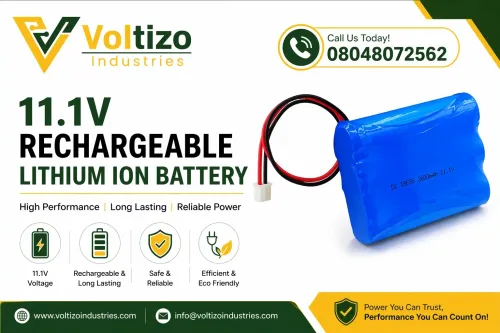

A lithium battery pack is designed to deliver dependable power across applications such as solar energy storage, electric mobility, UPS systems, industrial equipment, telecom backup and OEM products. However, battery performance and service life are not determined by the battery cells alone. Cell quality, charging practices, operating conditions, battery management, pack design and application requirements all influence how efficiently a lithium battery performs over time.
For businesses selecting a lithium battery pack, understanding these factors can help improve reliability, reduce unexpected downtime and achieve better long-term value.
Battery Cell Quality
The quality and chemistry of the cells used inside a battery pack have a direct impact on performance and lifespan. Lithium-ion and LiFePO4 cells have different characteristics, including energy density, cycle life, thermal behaviour and operating requirements. A professionally designed battery pack should use cells appropriate for the intended application rather than selecting a cell only on the basis of capacity or price.
Battery Pack Design and Configuration
The design of the complete battery pack is equally important. Voltage, Ah capacity, number of cells, series and parallel configuration, physical dimensions and electrical connections should be matched to the equipment being powered.
An appropriately engineered configuration allows the battery to deliver the required current while maintaining stable performance. Poorly matched configurations can lead to inefficient operation, excessive heating or reduced battery life.
Battery Management System
The Battery Management System, commonly known as BMS, plays an important role in protecting lithium battery packs. Depending on the design, the BMS can monitor parameters such as voltage, current and temperature while helping protect the pack against conditions such as overcharging, over-discharging and excessive current.
For custom battery applications, selecting a suitable BMS is an important part of creating a dependable battery solution.
Charging Method and Charger Compatibility
Charging conditions have a significant effect on battery performance. Using an unsuitable charger, incorrect charging voltage or inappropriate charging profile can negatively affect the battery.
The charger should therefore be compatible with the battery chemistry, voltage and configuration. A properly matched charging system helps maintain consistent operation and supports the expected service life of the battery pack.
Operating Temperature
Temperature is another major factor affecting lithium battery performance. Extremely high or low temperatures can influence charging, discharge performance and overall battery behaviour.
Battery packs used in demanding environments may require appropriate thermal management, enclosure design or operating controls. The correct solution depends on the application, battery chemistry and expected operating environment.
Depth of Discharge
How deeply a battery is discharged during each operating cycle can influence its cycle life. Regularly taking a battery to very low charge levels may place greater stress on the cells than operating within an appropriate usable range.
The ideal operating range depends on the battery chemistry, BMS settings and application. Battery system design should therefore consider the expected daily energy requirement instead of selecting capacity based only on maximum theoretical output.
Discharge Current and Load Requirements
Every lithium battery pack has specific current capabilities. Applications that demand high starting currents, continuous high loads or frequent power surges require a battery designed to handle those conditions.
For example, an industrial machine, electric vehicle or backup power system may have very different current requirements. Understanding the equipment's peak and continuous load helps manufacturers select an appropriate cell configuration and BMS.
Usage Pattern and Number of Cycles
Battery life is also influenced by how frequently the pack is charged and discharged. A battery used occasionally may experience a different ageing pattern from one subjected to multiple daily cycles.
For commercial and industrial applications, estimating the expected number of cycles and daily operating hours can help determine the appropriate battery chemistry, capacity and configuration.
Mechanical and Electrical Connections
A reliable battery pack requires properly engineered connections, insulation, terminals and protective components. Poor connections can increase electrical resistance and generate unwanted heat.
Professional battery pack manufacturing should therefore consider not only the cells but the complete electrical and mechanical construction of the pack.
Storage Conditions
When lithium batteries are not being used for extended periods, storage conditions can also affect their long-term performance. Temperature, humidity, state of charge and storage duration should be considered according to the battery manufacturer's recommendations.
Businesses using batteries seasonally or maintaining spare battery inventory should establish suitable storage practices.
Why Custom Battery Pack Design Matters
Different applications have different power requirements. A solar storage system, UPS, telecom installation, electric vehicle and industrial machine cannot necessarily use the same battery configuration.
A custom lithium battery pack can be designed around the application's required voltage, capacity, dimensions, current demand, cell configuration, BMS and installation requirements. This approach can provide a better match between the battery and the equipment it powers.
How to Improve Lithium Battery Pack Life
The most effective approach is to use a battery pack that is correctly specified for the application and operated within its recommended limits. Using the right charger, avoiding unsuitable operating temperatures, maintaining appropriate discharge levels and ensuring that the BMS and battery configuration are correctly matched can all contribute to reliable battery performance.
Regular inspection of battery systems and following the manufacturer's operating and maintenance recommendations can also help identify potential issues before they affect system availability.
Choosing a Lithium Battery Pack Manufacturer
For OEMs, solar companies, EV businesses, UPS manufacturers and industrial users, choosing the right battery manufacturing partner is an important decision. The manufacturer should understand the application's voltage, capacity, current, physical dimensions, operating environment and expected usage pattern before recommending a battery configuration.
Voltizo Industries provides lithium battery solutions for different application requirements, including customized battery pack configurations. A properly engineered battery solution can help businesses achieve dependable power delivery while aligning the battery with the specific requirements of their equipment.
Frequently Asked Questions
What is the biggest factor affecting lithium battery life?
Battery life depends on several factors rather than one single condition. Cell quality, charging, temperature, depth of discharge, load requirements, battery configuration and BMS protection can all influence performance and service life.
Does temperature affect lithium battery performance?
Yes. Operating and charging outside the recommended temperature range can affect battery performance and ageing. The appropriate temperature range depends on the battery chemistry and pack design.
Can a custom lithium battery pack last longer than a standard battery?
A custom pack is not automatically longer-lasting, but designing the battery around the application's actual voltage, current, capacity, operating environment and BMS requirements can help avoid unsuitable operating conditions and improve overall system reliability.
Why is BMS important in a lithium battery pack?
A BMS helps monitor and protect the battery pack. Its functions depend on the specific design but may include protection against overcharge, over-discharge, excessive current and abnormal temperature conditions.
How can I choose the right lithium battery pack for my application?
Start by determining the required voltage, Ah capacity, continuous and peak current, operating hours, physical dimensions, charging method and environmental conditions. These requirements can then be used to determine the appropriate battery chemistry and configuration.
Get the Right Lithium Battery Solution for Your Application
The performance of a lithium battery pack depends on the complete system—not simply the individual cells. Choosing the right chemistry, capacity, configuration, BMS, charger and thermal design can make a significant difference to reliability and long-term operation.
If you are looking for a lithium battery pack for an OEM product, solar energy system, EV, UPS, telecom equipment or industrial application, Voltizo Industries can help develop a battery solution according to your technical require
For businesses selecting a lithium battery pack, understanding these factors can help improve reliability, reduce unexpected downtime and achieve better long-term value.
Battery Cell Quality
The quality and chemistry of the cells used inside a battery pack have a direct impact on performance and lifespan. Lithium-ion and LiFePO4 cells have different characteristics, including energy density, cycle life, thermal behaviour and operating requirements. A professionally designed battery pack should use cells appropriate for the intended application rather than selecting a cell only on the basis of capacity or price.
Battery Pack Design and Configuration
The design of the complete battery pack is equally important. Voltage, Ah capacity, number of cells, series and parallel configuration, physical dimensions and electrical connections should be matched to the equipment being powered.
An appropriately engineered configuration allows the battery to deliver the required current while maintaining stable performance. Poorly matched configurations can lead to inefficient operation, excessive heating or reduced battery life.
Battery Management System
The Battery Management System, commonly known as BMS, plays an important role in protecting lithium battery packs. Depending on the design, the BMS can monitor parameters such as voltage, current and temperature while helping protect the pack against conditions such as overcharging, over-discharging and excessive current.
For custom battery applications, selecting a suitable BMS is an important part of creating a dependable battery solution.
Charging Method and Charger Compatibility
Charging conditions have a significant effect on battery performance. Using an unsuitable charger, incorrect charging voltage or inappropriate charging profile can negatively affect the battery.
The charger should therefore be compatible with the battery chemistry, voltage and configuration. A properly matched charging system helps maintain consistent operation and supports the expected service life of the battery pack.
Operating Temperature
Temperature is another major factor affecting lithium battery performance. Extremely high or low temperatures can influence charging, discharge performance and overall battery behaviour.
Battery packs used in demanding environments may require appropriate thermal management, enclosure design or operating controls. The correct solution depends on the application, battery chemistry and expected operating environment.
Depth of Discharge
How deeply a battery is discharged during each operating cycle can influence its cycle life. Regularly taking a battery to very low charge levels may place greater stress on the cells than operating within an appropriate usable range.
The ideal operating range depends on the battery chemistry, BMS settings and application. Battery system design should therefore consider the expected daily energy requirement instead of selecting capacity based only on maximum theoretical output.
Discharge Current and Load Requirements
Every lithium battery pack has specific current capabilities. Applications that demand high starting currents, continuous high loads or frequent power surges require a battery designed to handle those conditions.
For example, an industrial machine, electric vehicle or backup power system may have very different current requirements. Understanding the equipment's peak and continuous load helps manufacturers select an appropriate cell configuration and BMS.
Usage Pattern and Number of Cycles
Battery life is also influenced by how frequently the pack is charged and discharged. A battery used occasionally may experience a different ageing pattern from one subjected to multiple daily cycles.
For commercial and industrial applications, estimating the expected number of cycles and daily operating hours can help determine the appropriate battery chemistry, capacity and configuration.
Mechanical and Electrical Connections
A reliable battery pack requires properly engineered connections, insulation, terminals and protective components. Poor connections can increase electrical resistance and generate unwanted heat.
Professional battery pack manufacturing should therefore consider not only the cells but the complete electrical and mechanical construction of the pack.
Storage Conditions
When lithium batteries are not being used for extended periods, storage conditions can also affect their long-term performance. Temperature, humidity, state of charge and storage duration should be considered according to the battery manufacturer's recommendations.
Businesses using batteries seasonally or maintaining spare battery inventory should establish suitable storage practices.
Why Custom Battery Pack Design Matters
Different applications have different power requirements. A solar storage system, UPS, telecom installation, electric vehicle and industrial machine cannot necessarily use the same battery configuration.
A custom lithium battery pack can be designed around the application's required voltage, capacity, dimensions, current demand, cell configuration, BMS and installation requirements. This approach can provide a better match between the battery and the equipment it powers.
How to Improve Lithium Battery Pack Life
The most effective approach is to use a battery pack that is correctly specified for the application and operated within its recommended limits. Using the right charger, avoiding unsuitable operating temperatures, maintaining appropriate discharge levels and ensuring that the BMS and battery configuration are correctly matched can all contribute to reliable battery performance.
Regular inspection of battery systems and following the manufacturer's operating and maintenance recommendations can also help identify potential issues before they affect system availability.
Choosing a Lithium Battery Pack Manufacturer
For OEMs, solar companies, EV businesses, UPS manufacturers and industrial users, choosing the right battery manufacturing partner is an important decision. The manufacturer should understand the application's voltage, capacity, current, physical dimensions, operating environment and expected usage pattern before recommending a battery configuration.
Voltizo Industries provides lithium battery solutions for different application requirements, including customized battery pack configurations. A properly engineered battery solution can help businesses achieve dependable power delivery while aligning the battery with the specific requirements of their equipment.
Frequently Asked Questions
What is the biggest factor affecting lithium battery life?
Battery life depends on several factors rather than one single condition. Cell quality, charging, temperature, depth of discharge, load requirements, battery configuration and BMS protection can all influence performance and service life.
Does temperature affect lithium battery performance?
Yes. Operating and charging outside the recommended temperature range can affect battery performance and ageing. The appropriate temperature range depends on the battery chemistry and pack design.
Can a custom lithium battery pack last longer than a standard battery?
A custom pack is not automatically longer-lasting, but designing the battery around the application's actual voltage, current, capacity, operating environment and BMS requirements can help avoid unsuitable operating conditions and improve overall system reliability.
Why is BMS important in a lithium battery pack?
A BMS helps monitor and protect the battery pack. Its functions depend on the specific design but may include protection against overcharge, over-discharge, excessive current and abnormal temperature conditions.
How can I choose the right lithium battery pack for my application?
Start by determining the required voltage, Ah capacity, continuous and peak current, operating hours, physical dimensions, charging method and environmental conditions. These requirements can then be used to determine the appropriate battery chemistry and configuration.
Get the Right Lithium Battery Solution for Your Application
The performance of a lithium battery pack depends on the complete system—not simply the individual cells. Choosing the right chemistry, capacity, configuration, BMS, charger and thermal design can make a significant difference to reliability and long-term operation.
If you are looking for a lithium battery pack for an OEM product, solar energy system, EV, UPS, telecom equipment or industrial application, Voltizo Industries can help develop a battery solution according to your technical require
Keywords