The manufacturing of a lithium battery pack is a precision-driven process that combines cell selection, electrical configuration, mechanical assembly, BMS integration, welding, insulation, testing and final quality inspection. Unlike simply connecting individual cells, a professionally manufactured battery pack must be designed around the required voltage, capacity, current, dimensions, application and safety requirements.
For OEMs, solar companies, EV manufacturers, industrial equipment manufacturers and backup-power solution providers, choosing the right battery-pack manufacturing partner is important because the final pack directly affects equipment performance, operating life and safety. Voltizo Industries in Noida manufactures customized lithium-ion and LiFePO4 battery solutions for applications including EVs, solar energy storage, industrial equipment and backup power.
What Is a Lithium Battery Pack?
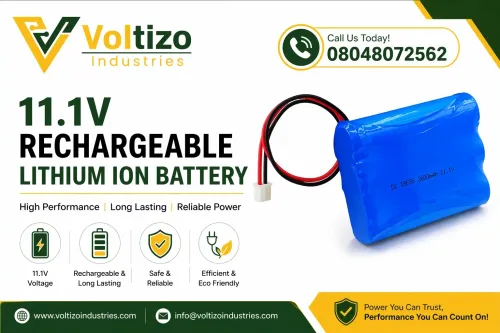
A lithium battery pack is an engineered assembly of multiple individual battery cells connected in a specific series and parallel configuration to achieve the required voltage, capacity and power output.
The finished pack can also include a Battery Management System (BMS), nickel or nickel-plated connecting strips, insulation materials, connectors, protective housing and charging interfaces, depending on the application.
For example, a battery pack designed for a solar energy system may have very different voltage, capacity and BMS requirements from a compact battery used in portable equipment or an electric vehicle.
Step 1: Understanding the Application Requirement
The manufacturing process begins by understanding how the battery will be used. The manufacturer evaluates the required nominal voltage, Ah capacity, operating current, peak current, charging method, discharge requirements, physical dimensions, expected operating temperature and available installation space.
For OEM projects, the battery can be developed according to the equipment's specific electrical and mechanical requirements rather than using a standard battery configuration.
Step 2: Selecting the Right Battery Cells
Cell selection is one of the most important stages of lithium battery pack manufacturing.
Depending on the application, manufacturers may use different lithium battery chemistries and cell formats. LiFePO4 cells, for example, are widely considered for applications where long cycle life and thermal stability are important.
The cells should be evaluated for parameters such as voltage, capacity, internal resistance, physical condition and consistency. Proper cell selection helps create a more balanced and reliable battery pack.
Step 3: Cell Testing and Matching
Before assembly, individual cells are checked to identify variations that could affect pack performance.
Cells intended for the same battery pack should have suitable electrical characteristics. Proper matching helps reduce imbalance between cells during charging and discharging.
This stage becomes particularly important for customized and higher-capacity battery packs where multiple cells work together as a single energy-storage system.
Step 4: Designing the Series and Parallel Configuration
Once suitable cells are selected, the required battery configuration is determined.
Connecting cells in series increases voltage, while connecting cells in parallel increases capacity and current capability. The final configuration depends on the equipment's electrical requirements.
For OEM battery packs, the configuration also needs to fit within the available enclosure and maintain suitable thermal and electrical characteristics.
Step 5: Battery Pack Assembly and Cell Welding
The selected cells are arranged according to the approved battery design. Electrical connections between cells are then created using suitable joining methods.
For cylindrical-cell battery packs, spot welding is commonly used to connect cells with nickel or nickel-plated strips. Voltizo Industries also lists automatic and manual spot-welding equipment designed for lithium battery pack assembly applications.
Accurate welding is important because poor connections can increase electrical resistance, generate unwanted heat and affect the reliability of the finished pack.
Step 6: BMS Installation and Configuration
The Battery Management System (BMS) is a critical part of a modern lithium battery pack.
A BMS monitors important parameters such as cell voltage, temperature and charging/discharging conditions. Depending on the design, it can provide protection against conditions such as overcharge, over-discharge, short circuit and excessive temperature.
Voltizo Industries specifically highlights BMS integration as part of its customized OEM battery-pack development process.
Step 7: Insulation and Protection
After electrical assembly and BMS integration, the battery pack is protected using suitable insulation and structural materials.
Insulation helps reduce the risk of accidental electrical contact, while the outer enclosure or protective covering provides mechanical protection.
The final construction depends on whether the battery will be installed inside an EV, solar system, industrial machine, portable device, UPS or another application.
Step 8: Electrical and Performance Testing
A professionally manufactured battery pack should undergo testing before delivery.
Testing may include checking voltage, capacity, charging performance, discharge performance, BMS operation, electrical continuity, insulation and protection functions according to the battery design and application.
Voltizo Industries describes quality testing and performance verification as part of its battery manufacturing approach for customized OEM solutions.
Step 9: Final Quality Inspection
The completed battery pack is inspected for both electrical and physical quality.
Manufacturers can verify the pack dimensions, connector arrangement, wiring, insulation, enclosure condition, labeling and overall assembly before the product moves toward dispatch.
This final inspection helps ensure that the battery supplied to an OEM or project customer matches the agreed specifications.
Step 10: Finished Battery Pack Ready for Application
After successful testing and inspection, the battery pack is ready for integration into the customer's equipment or energy-storage system.
Depending on the design, customized lithium battery packs can be developed for solar energy storage, electric mobility, UPS and backup power, industrial equipment, telecom systems, medical equipment and other specialized applications.
Why Manufacturing Quality Matters in Lithium Battery Packs
Battery-pack performance depends on much more than the lithium cells themselves. Cell quality, configuration, welding, BMS selection, thermal considerations, insulation and testing all contribute to the final product.
A properly engineered battery pack can provide stable power delivery, efficient charging, reliable operation and better long-term performance when correctly matched to its application.
Customized Lithium Battery Pack Manufacturing for OEMs
OEM customers often require battery packs with specific dimensions, voltage, Ah capacity, connector positions, communication requirements and discharge characteristics. A customized manufacturing approach allows the battery to be designed around the customer's equipment.
Voltizo Industries offers customized lithium battery solutions for OEM applications, with attention to cell selection, battery configuration, BMS integration and quality testing.
Applications of Lithium Battery Packs
Lithium battery packs are increasingly used in electric vehicles and e-rickshaws, solar energy storage systems, UPS and backup power equipment, industrial machinery, telecom systems, portable equipment and specialized OEM products.
The appropriate battery chemistry and configuration should always be selected according to the actual electrical, environmental and mechanical requirements of the application.
Why Choose Voltizo Industries for Lithium Battery Packs?
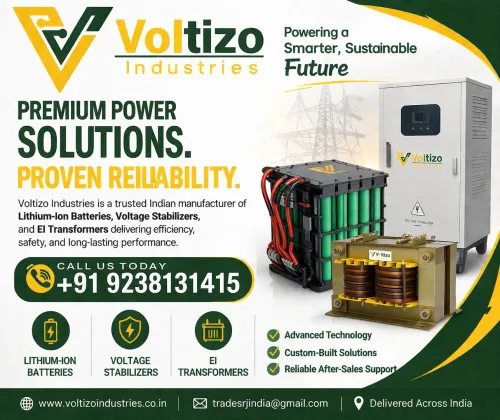
Voltizo Industries is based in Noida and focuses on lithium-ion batteries, LiFePO4 battery packs, customized energy-storage solutions and related power products. Its current product range includes several lithium-ion and LiFePO4 battery configurations, while its OEM offering focuses on application-specific battery development.
For businesses looking for a custom lithium battery pack manufacturer in India, the key consideration should be the manufacturer's ability to understand the application, select appropriate cells, engineer the pack, integrate suitable protection and perform meaningful quality checks.
Frequently Asked Questions
How are lithium battery packs manufactured?
Lithium battery packs are manufactured by selecting and testing cells, determining the series-parallel configuration, assembling and welding the cells, integrating the BMS, adding insulation and protection, and conducting electrical and performance testing before final inspection.
Can lithium battery packs be customized for OEM products?
Yes. OEM battery packs can be customized according to voltage, capacity, dimensions, current requirements, connectors, enclosure design and application-specific requirements.
Why is BMS important in a lithium battery pack?
The BMS monitors and manages important battery parameters and provides protection functions that help support safe and reliable battery operation.
What is the role of spot welding in battery pack manufacturing?
Spot welding is used to create electrical connections between cells and conductive strips. Proper welding helps achieve reliable electrical connections while maintaining a suitable battery assembly.
Does Voltizo Industries manufacture customized lithium battery packs?
Yes. Voltizo Industries offers customized lithium battery solutions for OEM and application-specific requirements, including cell selection, pack configuration, BMS integration and testing.
Conclusion
Lithium battery pack manufacturing is a multi-stage engineering process that starts with application analysis and cell selection and continues through cell matching, pack configuration, welding, BMS integration, insulation, testing and final inspection.
For OEMs and businesses, selecting an experienced battery-pack manufacturer can help ensure that the final battery is properly matched to the intended application. Voltizo Industries provides customized lithium-ion and LiFePO4 battery solutions from Noida for industrial, solar, EV, backup-power and OEM applications.
For OEMs, solar companies, EV manufacturers, industrial equipment manufacturers and backup-power solution providers, choosing the right battery-pack manufacturing partner is important because the final pack directly affects equipment performance, operating life and safety. Voltizo Industries in Noida manufactures customized lithium-ion and LiFePO4 battery solutions for applications including EVs, solar energy storage, industrial equipment and backup power.
What Is a Lithium Battery Pack?
A lithium battery pack is an engineered assembly of multiple individual battery cells connected in a specific series and parallel configuration to achieve the required voltage, capacity and power output.
The finished pack can also include a Battery Management System (BMS), nickel or nickel-plated connecting strips, insulation materials, connectors, protective housing and charging interfaces, depending on the application.
For example, a battery pack designed for a solar energy system may have very different voltage, capacity and BMS requirements from a compact battery used in portable equipment or an electric vehicle.
Step 1: Understanding the Application Requirement
The manufacturing process begins by understanding how the battery will be used. The manufacturer evaluates the required nominal voltage, Ah capacity, operating current, peak current, charging method, discharge requirements, physical dimensions, expected operating temperature and available installation space.
For OEM projects, the battery can be developed according to the equipment's specific electrical and mechanical requirements rather than using a standard battery configuration.
Step 2: Selecting the Right Battery Cells
Cell selection is one of the most important stages of lithium battery pack manufacturing.
Depending on the application, manufacturers may use different lithium battery chemistries and cell formats. LiFePO4 cells, for example, are widely considered for applications where long cycle life and thermal stability are important.
The cells should be evaluated for parameters such as voltage, capacity, internal resistance, physical condition and consistency. Proper cell selection helps create a more balanced and reliable battery pack.
Step 3: Cell Testing and Matching
Before assembly, individual cells are checked to identify variations that could affect pack performance.
Cells intended for the same battery pack should have suitable electrical characteristics. Proper matching helps reduce imbalance between cells during charging and discharging.
This stage becomes particularly important for customized and higher-capacity battery packs where multiple cells work together as a single energy-storage system.
Step 4: Designing the Series and Parallel Configuration
Once suitable cells are selected, the required battery configuration is determined.
Connecting cells in series increases voltage, while connecting cells in parallel increases capacity and current capability. The final configuration depends on the equipment's electrical requirements.
For OEM battery packs, the configuration also needs to fit within the available enclosure and maintain suitable thermal and electrical characteristics.
Step 5: Battery Pack Assembly and Cell Welding
The selected cells are arranged according to the approved battery design. Electrical connections between cells are then created using suitable joining methods.
For cylindrical-cell battery packs, spot welding is commonly used to connect cells with nickel or nickel-plated strips. Voltizo Industries also lists automatic and manual spot-welding equipment designed for lithium battery pack assembly applications.
Accurate welding is important because poor connections can increase electrical resistance, generate unwanted heat and affect the reliability of the finished pack.
Step 6: BMS Installation and Configuration
The Battery Management System (BMS) is a critical part of a modern lithium battery pack.
A BMS monitors important parameters such as cell voltage, temperature and charging/discharging conditions. Depending on the design, it can provide protection against conditions such as overcharge, over-discharge, short circuit and excessive temperature.
Voltizo Industries specifically highlights BMS integration as part of its customized OEM battery-pack development process.
Step 7: Insulation and Protection
After electrical assembly and BMS integration, the battery pack is protected using suitable insulation and structural materials.
Insulation helps reduce the risk of accidental electrical contact, while the outer enclosure or protective covering provides mechanical protection.
The final construction depends on whether the battery will be installed inside an EV, solar system, industrial machine, portable device, UPS or another application.
Step 8: Electrical and Performance Testing
A professionally manufactured battery pack should undergo testing before delivery.
Testing may include checking voltage, capacity, charging performance, discharge performance, BMS operation, electrical continuity, insulation and protection functions according to the battery design and application.
Voltizo Industries describes quality testing and performance verification as part of its battery manufacturing approach for customized OEM solutions.
Step 9: Final Quality Inspection
The completed battery pack is inspected for both electrical and physical quality.
Manufacturers can verify the pack dimensions, connector arrangement, wiring, insulation, enclosure condition, labeling and overall assembly before the product moves toward dispatch.
This final inspection helps ensure that the battery supplied to an OEM or project customer matches the agreed specifications.
Step 10: Finished Battery Pack Ready for Application
After successful testing and inspection, the battery pack is ready for integration into the customer's equipment or energy-storage system.
Depending on the design, customized lithium battery packs can be developed for solar energy storage, electric mobility, UPS and backup power, industrial equipment, telecom systems, medical equipment and other specialized applications.
Why Manufacturing Quality Matters in Lithium Battery Packs
Battery-pack performance depends on much more than the lithium cells themselves. Cell quality, configuration, welding, BMS selection, thermal considerations, insulation and testing all contribute to the final product.
A properly engineered battery pack can provide stable power delivery, efficient charging, reliable operation and better long-term performance when correctly matched to its application.
Customized Lithium Battery Pack Manufacturing for OEMs
OEM customers often require battery packs with specific dimensions, voltage, Ah capacity, connector positions, communication requirements and discharge characteristics. A customized manufacturing approach allows the battery to be designed around the customer's equipment.
Voltizo Industries offers customized lithium battery solutions for OEM applications, with attention to cell selection, battery configuration, BMS integration and quality testing.
Applications of Lithium Battery Packs
Lithium battery packs are increasingly used in electric vehicles and e-rickshaws, solar energy storage systems, UPS and backup power equipment, industrial machinery, telecom systems, portable equipment and specialized OEM products.
The appropriate battery chemistry and configuration should always be selected according to the actual electrical, environmental and mechanical requirements of the application.
Why Choose Voltizo Industries for Lithium Battery Packs?
Voltizo Industries is based in Noida and focuses on lithium-ion batteries, LiFePO4 battery packs, customized energy-storage solutions and related power products. Its current product range includes several lithium-ion and LiFePO4 battery configurations, while its OEM offering focuses on application-specific battery development.
For businesses looking for a custom lithium battery pack manufacturer in India, the key consideration should be the manufacturer's ability to understand the application, select appropriate cells, engineer the pack, integrate suitable protection and perform meaningful quality checks.
Frequently Asked Questions
How are lithium battery packs manufactured?
Lithium battery packs are manufactured by selecting and testing cells, determining the series-parallel configuration, assembling and welding the cells, integrating the BMS, adding insulation and protection, and conducting electrical and performance testing before final inspection.
Can lithium battery packs be customized for OEM products?
Yes. OEM battery packs can be customized according to voltage, capacity, dimensions, current requirements, connectors, enclosure design and application-specific requirements.
Why is BMS important in a lithium battery pack?
The BMS monitors and manages important battery parameters and provides protection functions that help support safe and reliable battery operation.
What is the role of spot welding in battery pack manufacturing?
Spot welding is used to create electrical connections between cells and conductive strips. Proper welding helps achieve reliable electrical connections while maintaining a suitable battery assembly.
Does Voltizo Industries manufacture customized lithium battery packs?
Yes. Voltizo Industries offers customized lithium battery solutions for OEM and application-specific requirements, including cell selection, pack configuration, BMS integration and testing.
Conclusion
Lithium battery pack manufacturing is a multi-stage engineering process that starts with application analysis and cell selection and continues through cell matching, pack configuration, welding, BMS integration, insulation, testing and final inspection.
For OEMs and businesses, selecting an experienced battery-pack manufacturer can help ensure that the final battery is properly matched to the intended application. Voltizo Industries provides customized lithium-ion and LiFePO4 battery solutions from Noida for industrial, solar, EV, backup-power and OEM applications.
Keywords